
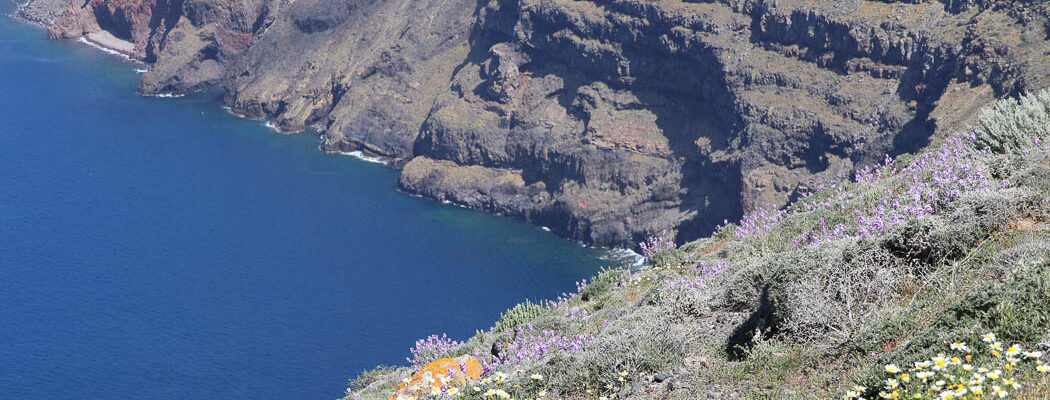
Have visitors to Santorini left some stones unturned? You would be surprised to learn that one of the most popular Greek islands globally does have a lesser-explored side to it – something that’s very refreshing to hear.
While this sought-after destination does offer mesmerizing infinity pool views, the globally famous Oia sunset, and white-washed villages with blue-domed churches – which are no longer a traveler’s secret, Santorini hides another identity. One that is deeply connected to Greece’s cultural heritage and traditions that continue to shape local life.
Authentic island life on Santorini thrives far beyond the caldera views, welcoming travelers who seek something more meaningful — the island’s traditions, heritage, and cultural soul.
This is the Santorini that many visitors never truly get to experience — and the side of the island we would like to share with you.
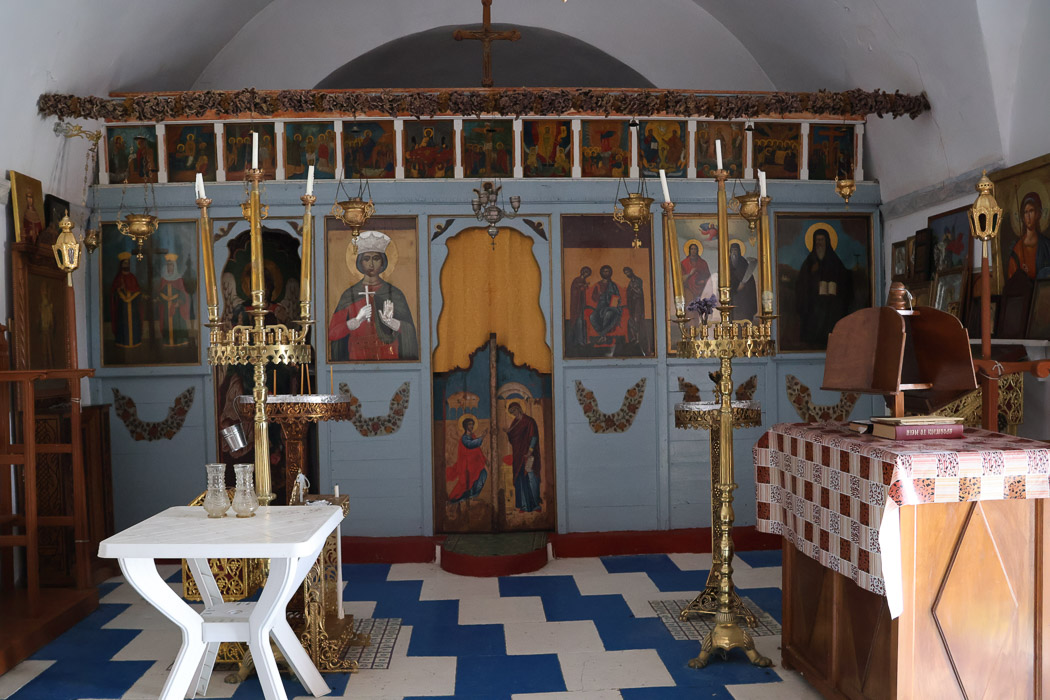 Megalochori: A Village Where Santorini Slows Down
While Oia and Fira attract the spotlight, the village of Megalochori offers a glimpse into a more authentic Santorini. Narrow alleyways flow between neoclassical mansions, cave houses, bell towers, and small courtyards overflowing with bursts of bougainvillea.
Traditional cafés invite you to slow down, savor the moment, and experience the authentic rhythm of village life on Santorini.
One of the village’s most important cultural landmarks is the historic Gavalas Winery — one of the oldest wineries on the island and a family estate with five generations of winemaking heritage.
With deep respect for local varieties and limited-production bottlings, Gavalas Winery crafts wines from Assyrtiko — Santorini’s most celebrated grape — alongside Aidani, Mandilaria, and Mavrotragano. The winery also actively protects rare indigenous varieties such as Katsano and Voudomato, remaining the only winery on Santorini to produce wines from both grapes.
Megalochori preserves a side of Santorini that still feels very intimate and deeply rooted in Greek island culture.
It is also home to one of the island’s most fascinating cultural spaces.
Visit the Symposion Cultural Center
Hidden inside a beautifully restored wine cave in Megalochori, the Symposion Cultural Center presents a completely different side of Santorini.
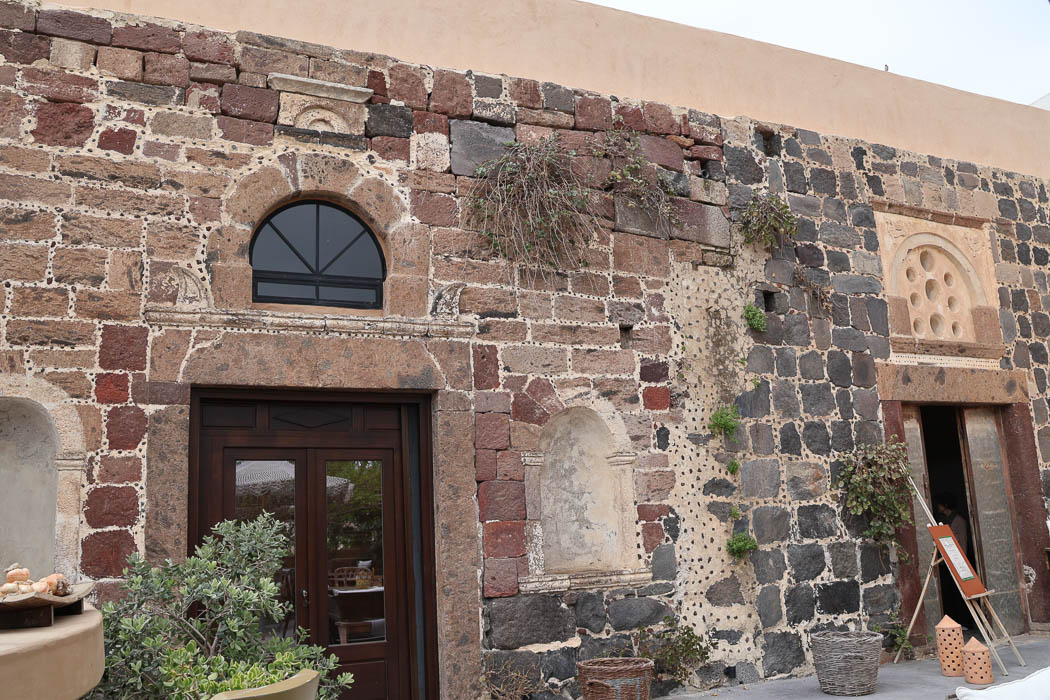 Symposion preserves Greece’s cultural heritage through music, mythology, storytelling, and traditional craftsmanship. Rather than operating as a conventional museum, the space immerses visitors in Greek traditions through interactive cultural experiences.
The charming Muses Wine Café set beneath the shaded mulberry trees is an invitation to embrace the slower rhythm of Santorini and linger over a leisurely afternoon immersed in culture and creativity.
Offering a plethora of immersive experiences, including music-and-mythology presentations, guests can explore the artistry behind handcrafted musical instruments, wander through the enchanting mythological botanical garden, and experience intimate evening performances that bring Greece’s vibrant cultural spirit to life. Artisan workshops, vintage instrument collections, photography exhibitions, and a thoughtfully curated art shop further transform the space into far more than a cultural center — it becomes almost like a poetic tribute to the soul of Greece itself.
Discover the story of Santorini’s Land and People at The Tomato Industrial Museum
The exceptionally flavorful and juicy Santorini tomato, recognized today as a protected PDO product, remains one of the island’s most treasured agricultural products. Long before Santorini became world-famous for its caldera views, tomato cultivation played a vital role in shaping the island’s economy and everyday life.
At the Tomato Industrial Museum in Vlychada, discover how this humble ingredient became deeply woven into Santorini’s cultural and economic history.
Housed in a former tomato-processing factory dating back to 1945, the museum preserves an important chapter of the island’s industrial heritage. Through original machinery, recordings, photographs, and interactive exhibits, visitors gain insight into the demanding harvest seasons during which local families worked tirelessly to process and export Santorini tomatoes throughout Greece and beyond.
The museum honors the deep connection between Santorini’s people and their land — a relationship that shaped generations of island life long before luxury tourism arrived.
Explore Akrotiri: Santorini’s Bronze Age Civilization
Long before Santorini became one of the world’s most photographed destinations, it was home to a sophisticated civilization.
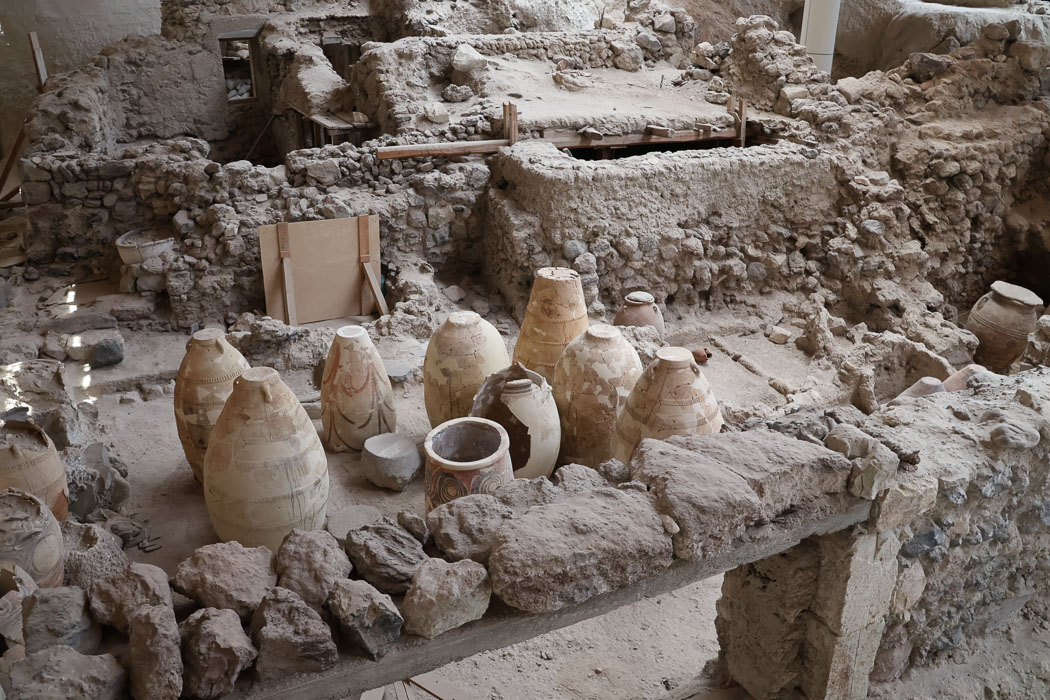 The archaeological site of Akrotiri is one of the most important prehistoric settlements in the Aegean. Often referred to as the “Pompeii of Greece,” the city was buried beneath volcanic ash after the massive eruption that transformed Santorini thousands of years ago.
Remarkably, the ash preserved streets, buildings, pottery, drainage systems, and frescoes in extraordinary condition. Walking through this easily accessible and well-preserved site feels almost surreal.
This once-thriving Bronze Age city showcased multi-story buildings, advanced urban planning, and remarkable artistic expression — and witnessing it up close feels truly unforgettable.
Archaeologists uncovered intricate wall paintings depicting nature, ships, ceremonies, and everyday life, offering valuable insight into Aegean civilization during the 17th century BC.
Akrotiri reveals something essential about Santorini’s identity. The fact that it has stood at the crossroads of trade, culture, and human creativity for millennia.
Thirasia: An Undiscovered Paradise
Many people see it, but very few actually visit it. Just across from Santorini lies Thirasia, a small island visible from every caldera viewpoint.
Yet visiting Thirasia almost feels like stepping into another era of Cycladic life.
Before the devastating volcanic eruption thousands of years ago, Thirasia formed part of Santorini itself. Today, the island remains sparsely populated and wonderfully untouched by mass tourism.
Traditional houses line the cliffs. Donkeys still move through narrow paths. Small tavernas overlook the sea, while local life unfolds at a slower and far more authentic pace. There are no curated aesthetics or polished tourist experiences here — only the quiet beauty of simplicity.
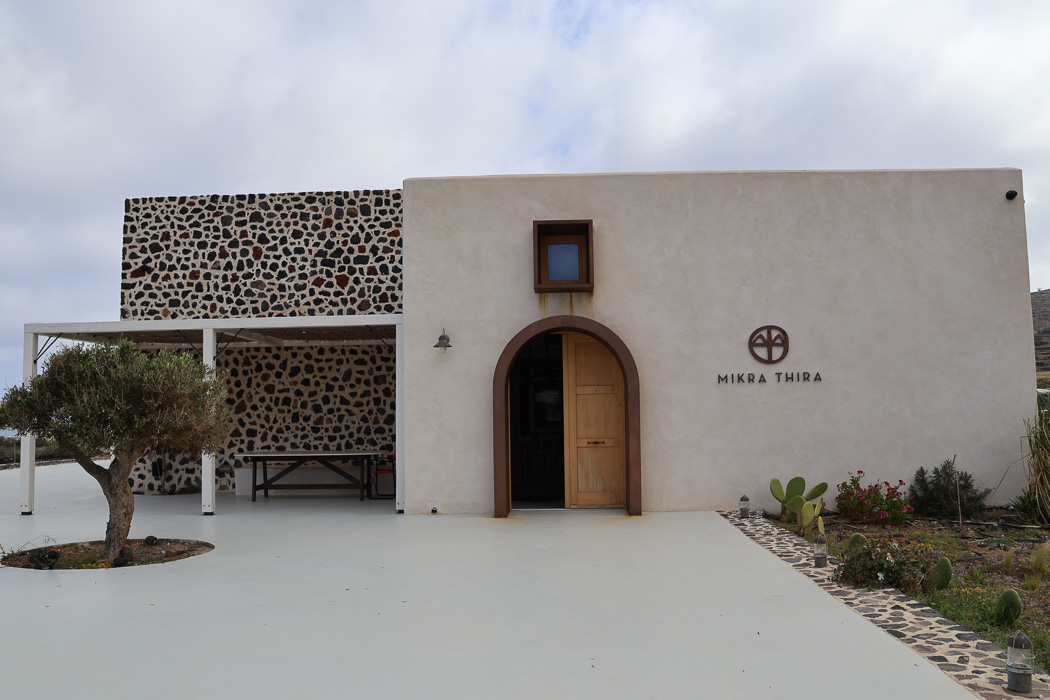 Here you can also discover Mikra Thira Winery — the first winery ever built on Thirasia. Often described as Santorini’s alter ego, the island’s raw beauty creates the perfect setting for a winery deeply connected to the volcanic landscape and centuries-old Cycladic winemaking traditions. Through limited-production wines, Mikra Thira offers visitors an intimate glimpse into the authentic wine culture of this lesser-explored island.
Beyond the Famous Postcard Views
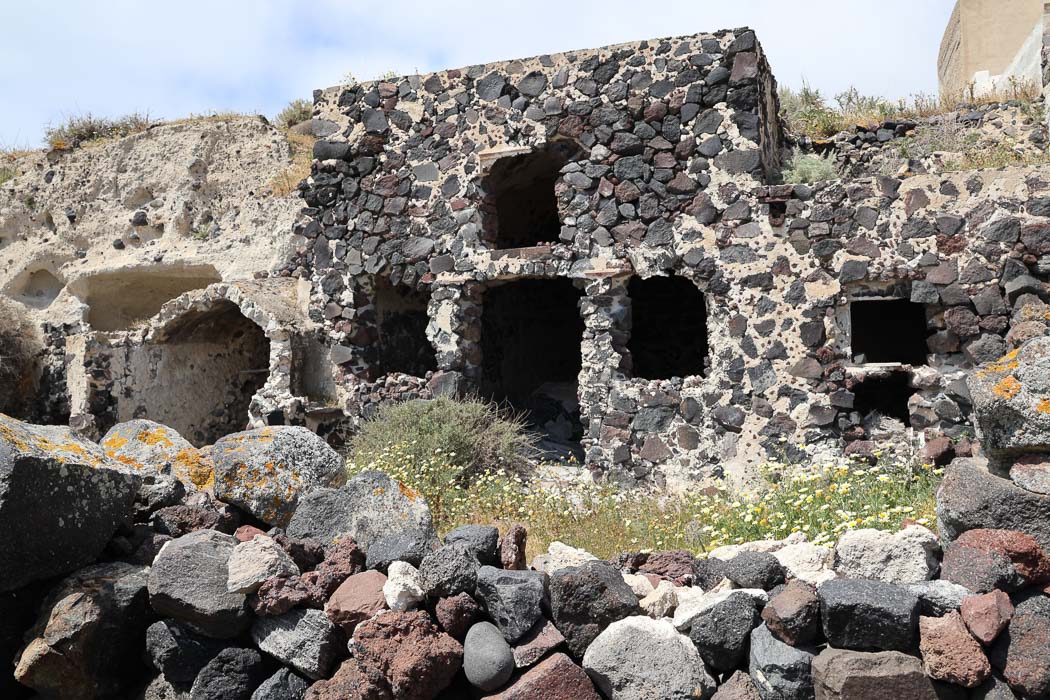 Santorini’s landscape is without a doubt unique, and it never ceases to inspire millions of visitors to dream of experiencing its beauty up close. Yet the island’s true richness extends far beyond the postcard image and we hope you will discover its more authentic and deeply cultural side.