
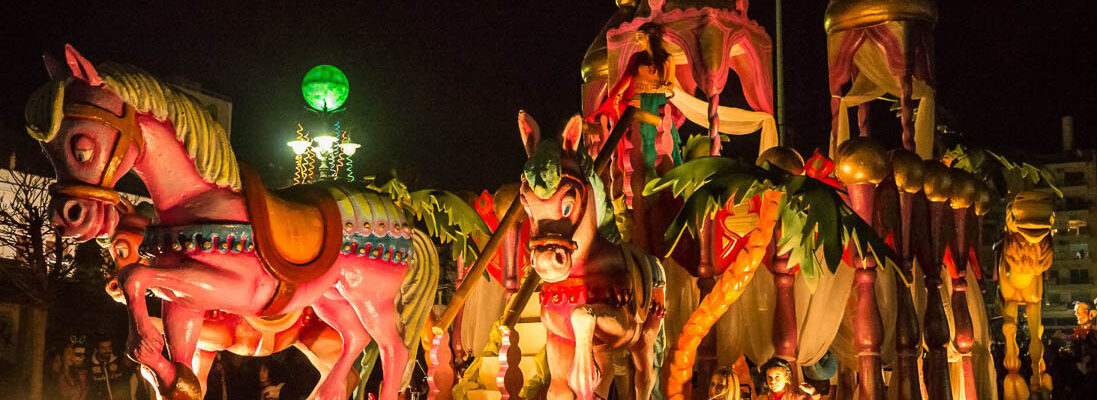
Christmas may be over, but in Greece, there is never a shortage of celebrations or, in fact, reasons to celebrate. Winter in Greece is far from quiet.
From sacred waters to masked laughter, Greece’s winter celebrations are deeply rooted in tradition, fostering a sense of community and shared history. Let’s explore these meaningful festivals together.
Ta Fota (Epiphany) — The Return of the Light
The first important celebration comes shortly after the New Year.
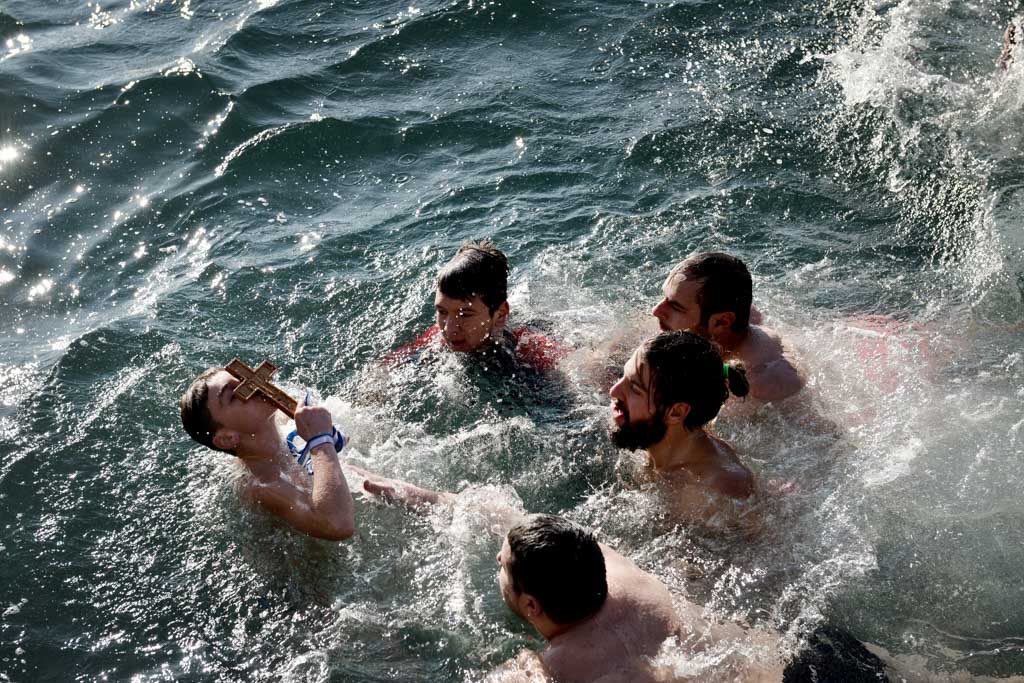
Known in Greek as Ta Fota (“The Lights”), Epiphany is celebrated every year on January 6 and is one of the holiest dates in the Orthodox calendar. The feast commemorates the Baptism of Christ in the River Jordan by St. John the Baptist.
Historically, Epiphany also marks the end of the Twelve Days of Christmas and celebrates the ritual cleansing of the world. In Greek folklore, mischievous spirits — the Kalikantzaroi — are believed to roam freely during the Christmas period, only to disappear once the waters are blessed on Epiphany.
Water takes center stage in this holy celebration.
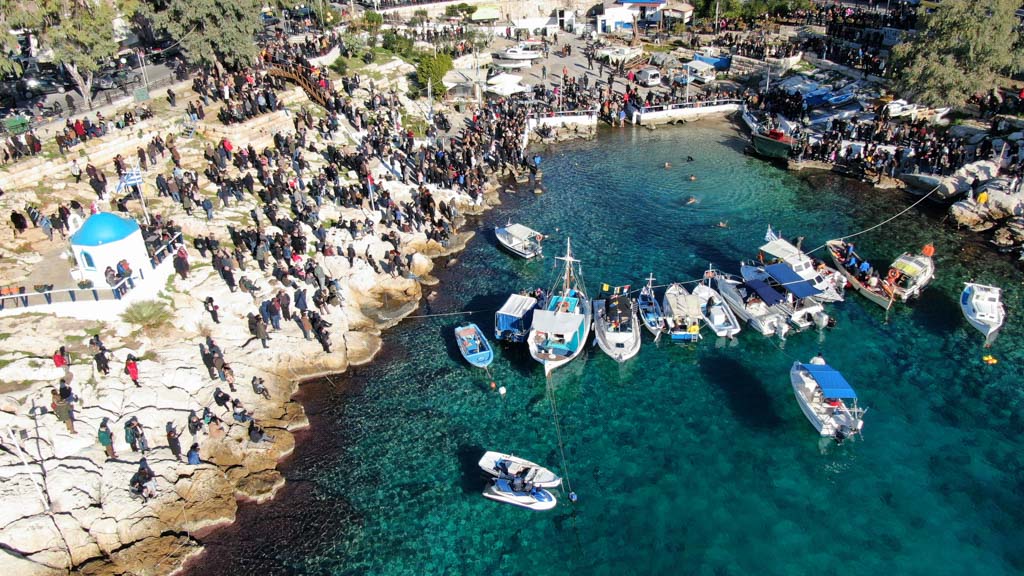
Across Greece — from ports and islands to rivers and mountain lakes — priests perform the Blessing of the Waters, followed by the throwing of a wooden cross into the sea. Brave divers plunge in to retrieve it, despite the winter cold. Whoever reaches the cross is said to receive health, protection, and good fortune for the year ahead. The event brings together local communities, with people gathering to watch the procession. Afterwards, the crowds follow the priest to the church where the liturgy continues.
This ritual is performed all across the country, but witnessing it in large ports or on the islands gives the ceremony an almost cinematic intensity: church bells, incense in the air, crowds wrapped in coats, and the sea briefly transformed into sacred ground.
Celebrating Epiphany in Greece is special. It’s truly a wonderful opportunity to connect and participate in a beloved Greek tradition.
Apokries — The Greek Carnival Celebrations
In Greece, Carnival is not a single-weekend celebration—but rather a season of transformation.
Since Apokries occurs during the three weeks before Lent, typically in late February or early March, planning your trip around these dates ensures you experience the full Carnival season.
The name Apokries derives from two Greek words: apo (away from) and kreas (meat), denoting a gradual withdrawal from indulgence before the fasting period begins.
Apokries long predates Christianity. Its roots trace back to ancient Dionysian rituals that celebrated rebirth, fertility, satire, and emotional release. During Carnival, communities deliberately relaxed social norms. Excessive laughter was considered a sacred act – and believed to help drive winter away through noise, movement, fire, and collective expression.
 Today, one of the most anticipated moments of the season is Tsiknopempti (“Smoky Thursday”), celebrated during the second week of Apokries. On this day, the air across Greece fills with the aroma of grilled meat. It’s customary for families and friends to gather in local tavernas for a final feast before fasting begins.
Each region interprets Carnival uniquely—some theatrical, some folkloric, others mythic—offering vibrant, unforgettable experiences that invite you to join the fun across Greece.
Patras — Greece’s Grand Carnival Stage
The city of Patras celebrates Carnival in the most elaborate and extroverted form. As Greece’s largest and most famous Carnival, it has traditions dating back to the 19th century. The town is just 3.5 hours from Athens in the northern Peloponnese, making it a great road trip destination.
 The festive period spans several weeks, with the city coming alive for Apokries, featuring parades of towering floats, elaborate costumes, masked balls, and street parties. A common theme is sharp satire targeting politics and society. The celebrations conclude on the final Sunday with the burning of the Carnival King, a symbolic farewell just before Lent begins.
Patras Carnival is theatrical, joyful, and unapologetically loud — a citywide performance in which everyone is welcome to participate.
Xanthi — Where Carnival Meets Folklore
In northern Greece, Xanthi (2 hours away from Thessaloniki) hosts a Carnival deeply rooted in tradition and community.
 Here, Apokries blends folk customs, music, regional costumes, and ritual fires with contemporary festivities. Celebrations unfold in neighbourhood squares, where locals and visitors gather around bonfires, share food, and dance late into the night.
Xanthi’s Carnival is like a living village ritual — it’s very intimate and communal. If you plan to visit this part of Greece, we recommend combining your trip with a visit to Kavala for a whole city experience.
Galaxidi — The Flour War (Alevromoutzouromata)
In the seaside town of Galaxidi, Carnival culminates in one of Greece’s most distinctive traditions: the Flour War, known locally as Alevromoutzouromata.
 Held on Clean Monday, the event turns the harbour into a cloud of colour as participants — dressed in protective suits, masks, or custom costumes — throw flour and coloured powder in a joyful, near-anarchic celebration. Everyone is welcome to take part. Flour is distributed in advance, and protective equipment is readily available.
The festivities begin around midday at the town’s bridge and flow through the streets toward the harbour, building to the main event. Dating back to Byzantine times, the tradition is linked to Galaxidi’s maritime past, marking the final celebration before sailors set off on long voyages and before Lent begins.
Located just a short drive from Delphi, Galaxidi makes an ideal base for combining Carnival with a visit to one of Greece’s most important archaeological sites.
Naousa — Genitsari and Boules
One of Greece’s most striking ritual celebrations, a custom known as Genitsari and Boules, can be encountered in Naousa (Central Macedonia).
 This powerful celebration is deeply rooted in ancient Dionysian traditions—the ritual honours Dionysus, the god of wine, transformation, and revelry. Participants wear the Genitsari costume, elaborate attire featuring silver ornaments and wax masks with distinctive upright moustaches. The Boula, once portrayed exclusively by men but today worn by both men and women, completes the pair with its white and red garments — colours that symbolise death and rebirth, marking the eternal cycle of renewal.
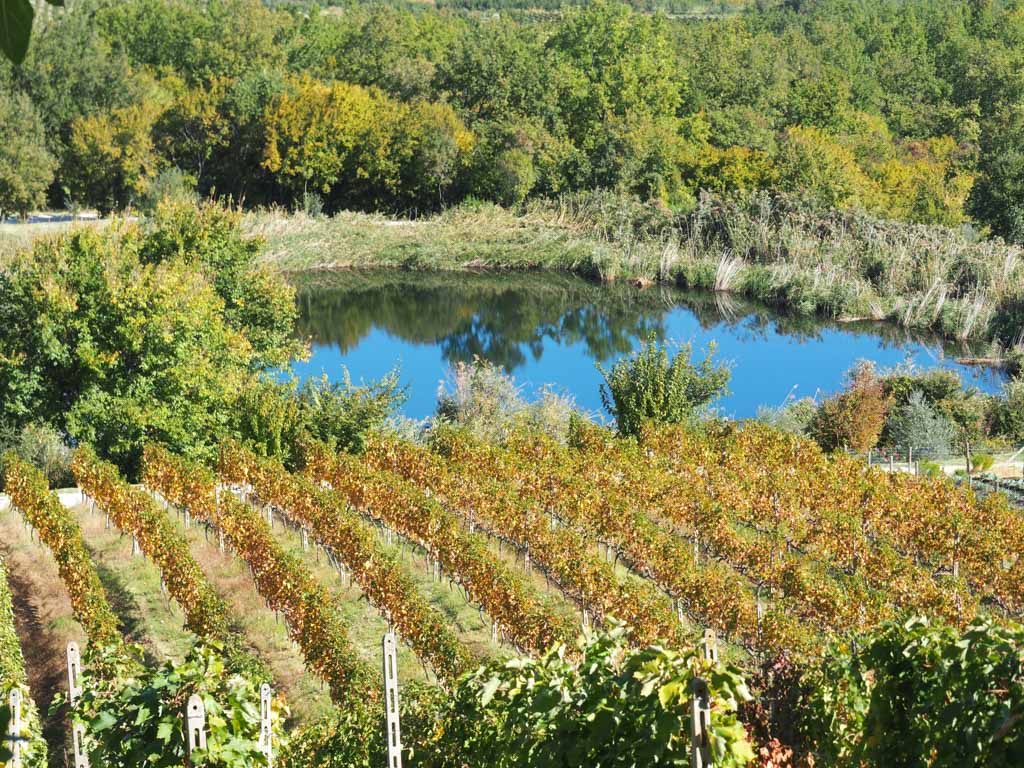
Enhance your visit by exploring the renowned wineries of the Naousa region, one of Greece’s most important wine-producing areas, celebrated for its Xinomavro vineyards.
Rethymno — Carnival with a Cretan Spirit
On Crete, Rethymno hosts one of the island’s most vibrant Carnival celebrations — and it shines especially in the off-season, when Crete reveals its most authentic side.
Influenced by the town’s Venetian past, Rethymno’s Carnival combines large parades, creative costumes, satire, and music with the warmth of the famous Cretan hospitality. The entire town and nearby villages participate in this grand event.
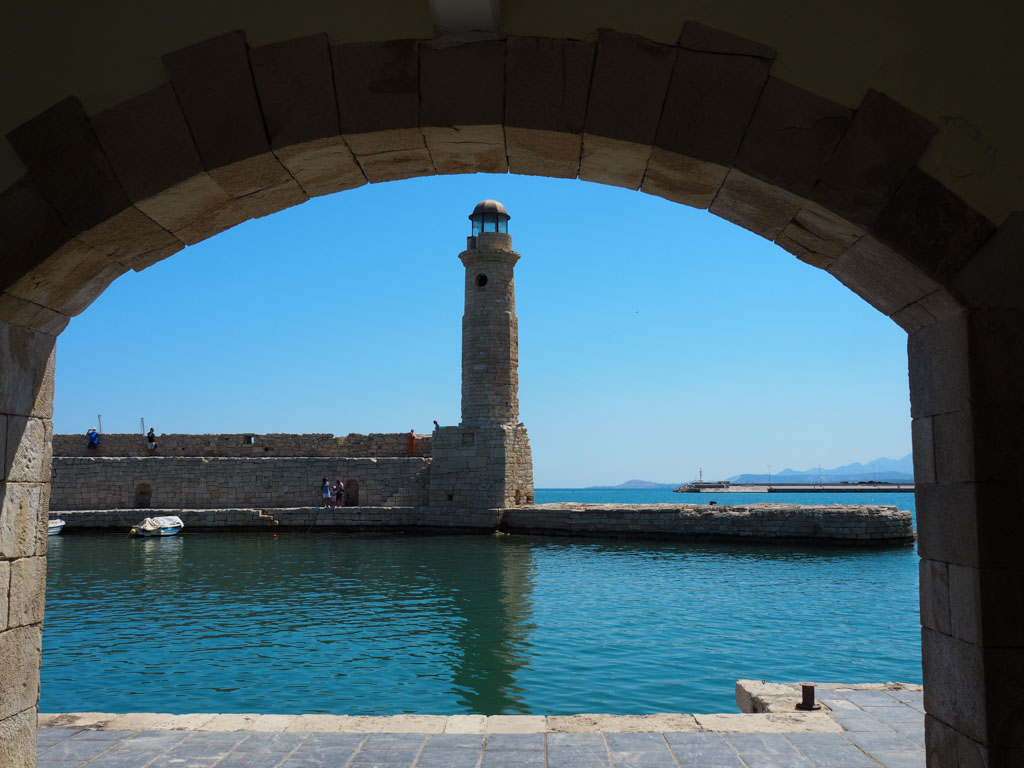
It’s also an ideal time to explore Crete’s historical sites, dramatic landscapes, and coastal scenery, all without the summer crowds.
Greece is a country that honors its timeless traditions. We hope that we’ve inspired you to experience them firsthand. Have you traveled to Greece for any of these unique celebrations?